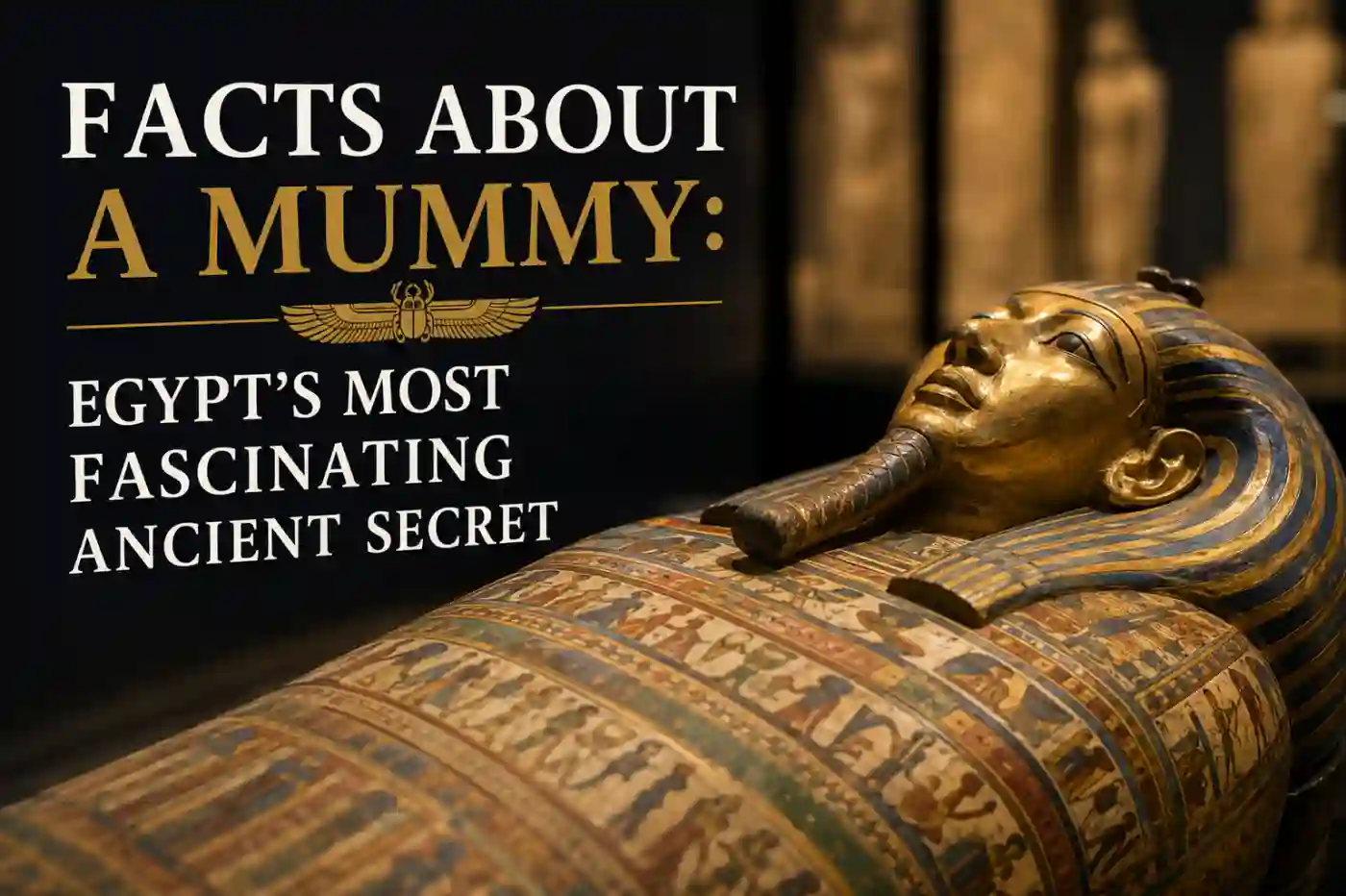
The best facts about a mummy are stranger than the movies: seventy days of ritual chemistry, a brain whisked out through the nose, a heart deliberately left in place for its final exam, and bodies so well preserved that scientists have diagnosed 3,000-year-old heart disease. Here is mummification explained — and where to meet the mummies themselves.
Quick Answer: Egyptian mummification preserved the body as the soul’s eternal home: organs removed to canopic jars (heart left in for judgment), the body dried 40 days in natron salt, then wrapped in hundreds of meters of linen with protective amulets — about 70 days in total. Practiced for over 3,000 years, it worked so well that royal mummies survive today with hair, teeth and tattoos intact.
Why Preserve the Body at All?
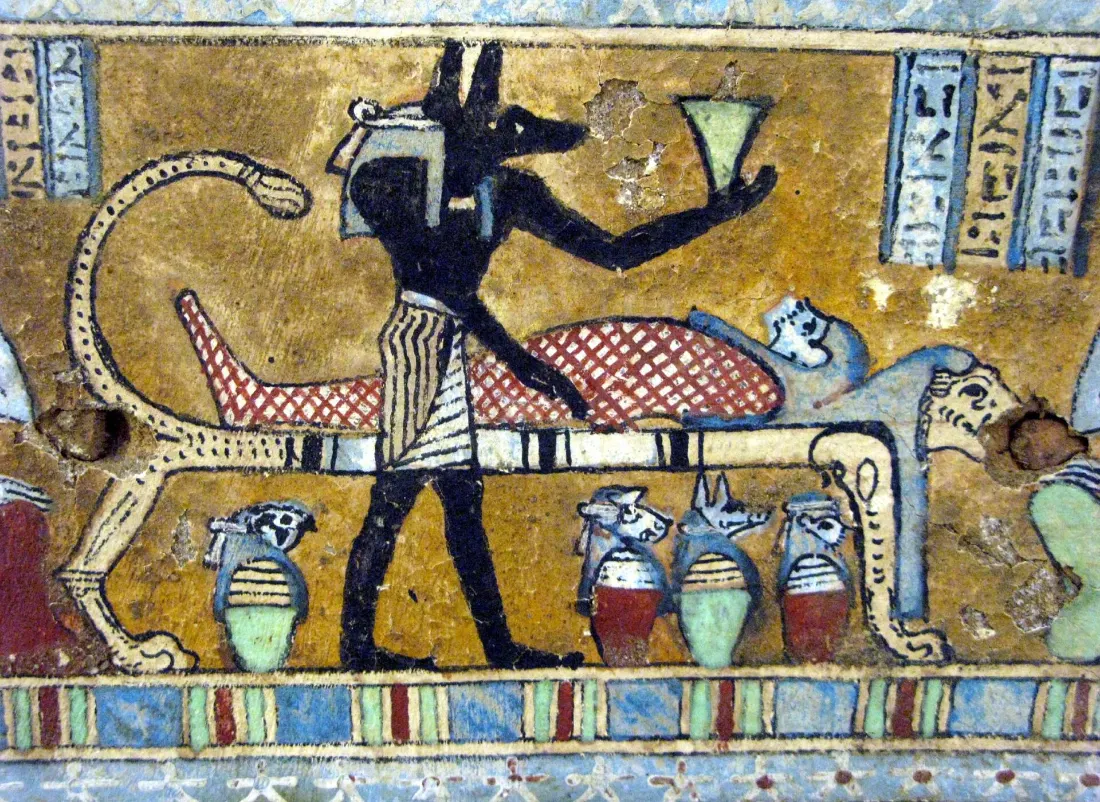
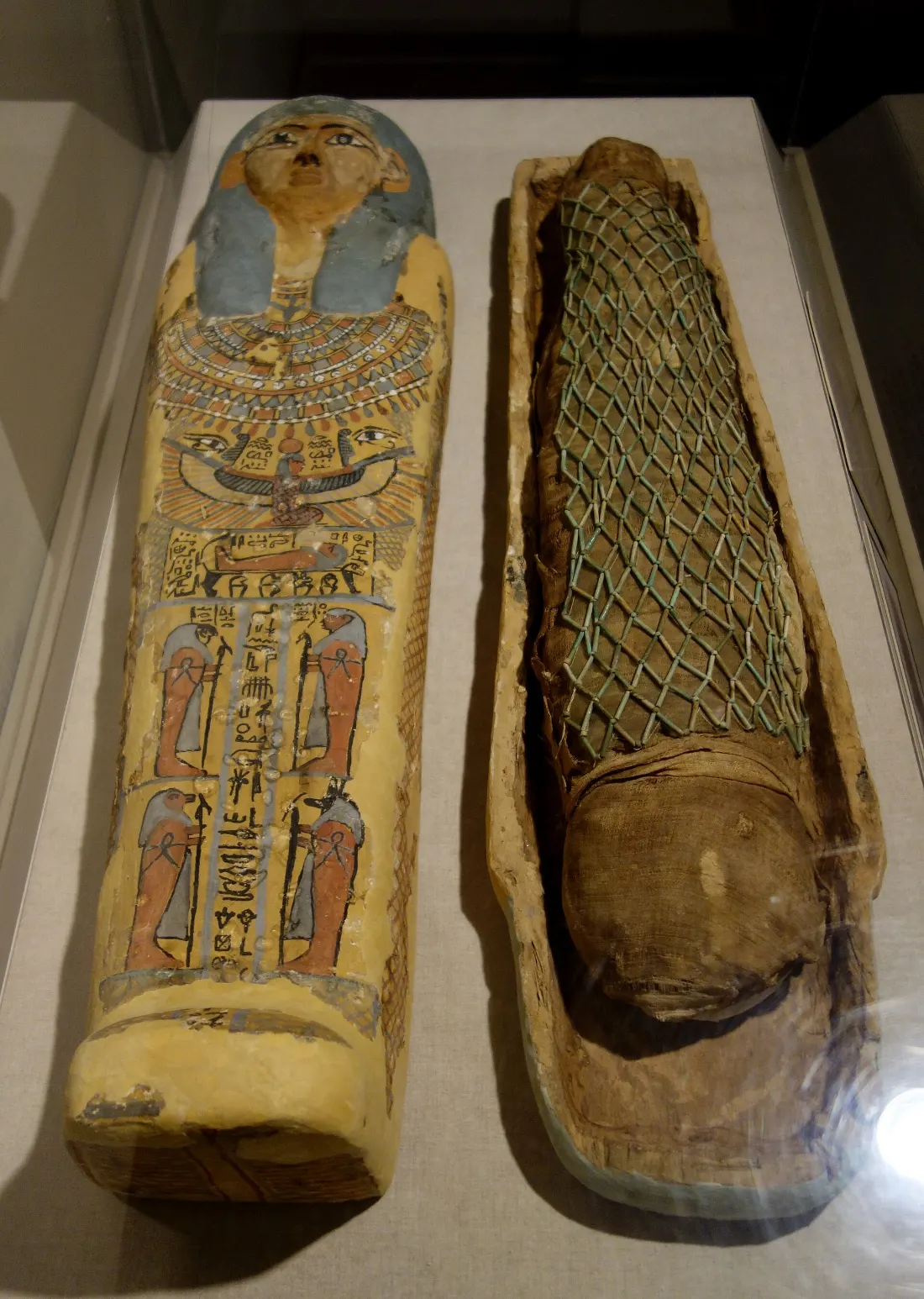
Egyptian afterlife needed an address: the ka (life-force) and ba (personality) returned to the body nightly — no body, no eternity. Hence an entire national industry of preservation, from royal masterpieces to budget packages (embalmers offered price tiers; Herodotus recorded the menu).
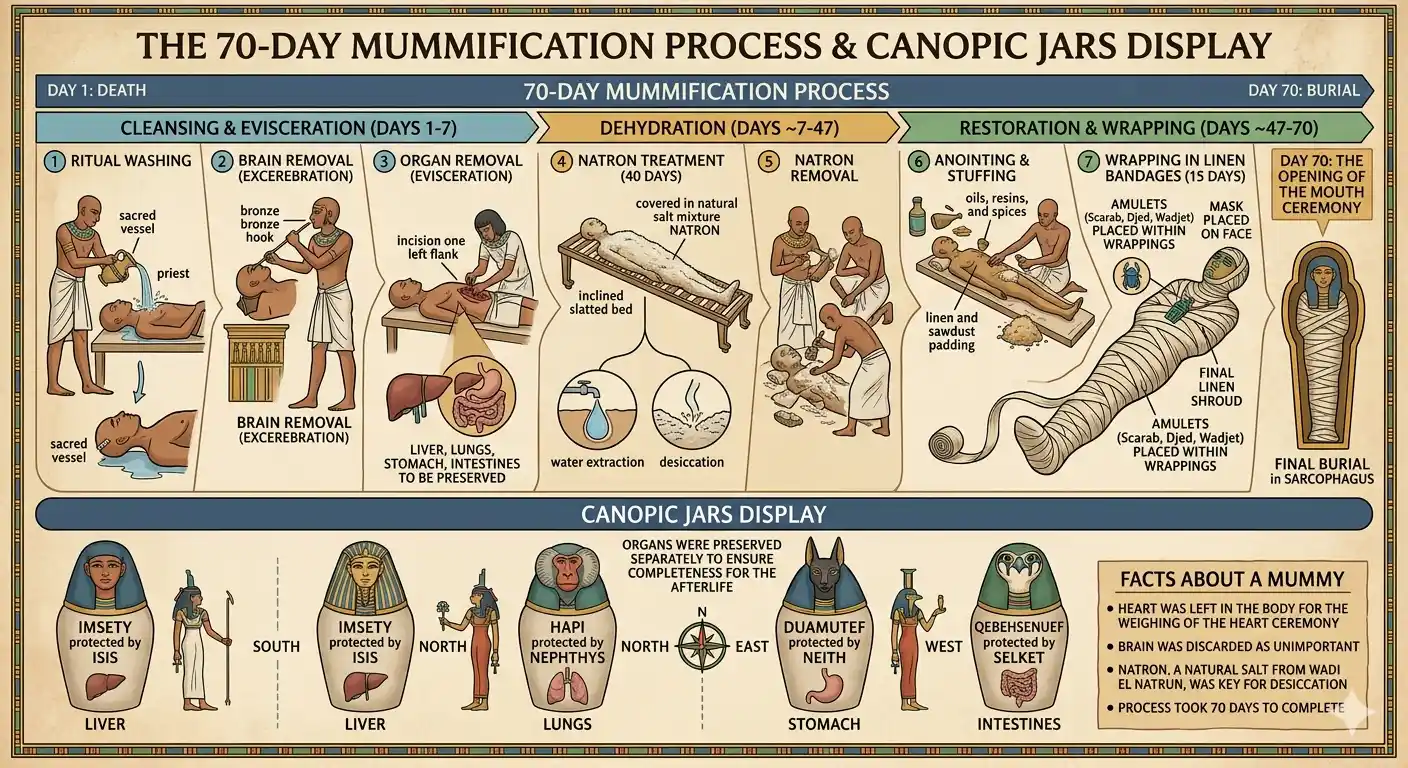
The 70-Day Process, Step by Step
| Days | What happened |
|---|---|
| 1–4 | Washing; brain extracted through the nose with hooks (deemed useless — discarded!) |
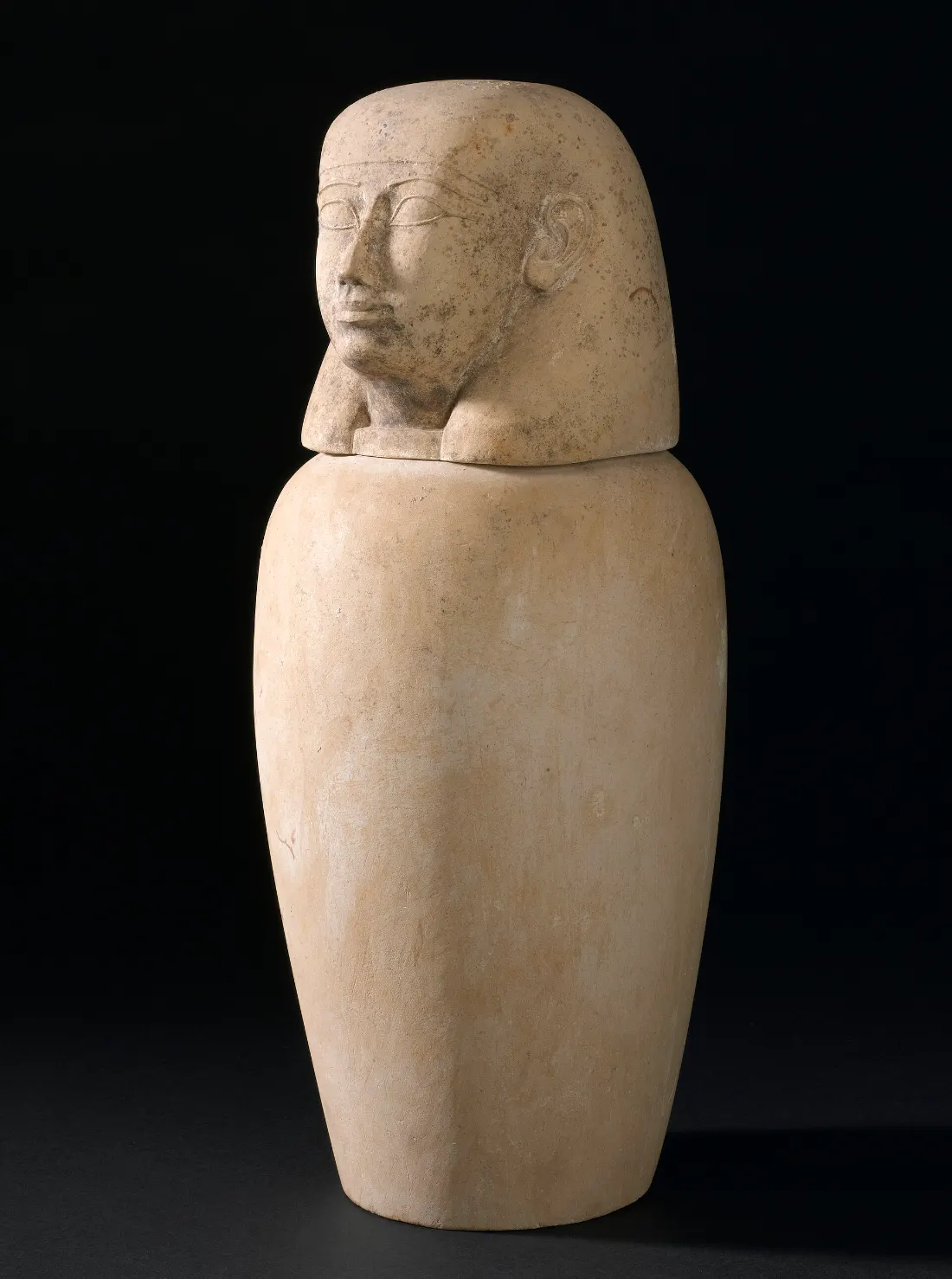
| 5–15 | Organs out via a flank incision → canopic jars under four protector gods; heart stays |
| 16–55 | Body packed and covered in natron salt — dried like sacred jerky |
| 56–68 | Anointing with oils and resins; packing to restore shape; wrapping begins — up to hundreds of meters of linen, amulets tucked at ritual points, resin as glue |
| 69–70 | Mask fitted; Opening of the Mouth ceremony re-awakens the senses; burial |
Facts That Surprise Everyone
The heart stayed — it faced judgment, weighed against Ma’at’s feather; a heart scarab amulet insured against awkward testimony. Animals got the treatment too — cats, ibises, crocodiles by the million (see the crocodile mummies at Kom Ombo). Science reads them like books — CT scans have found arthritis, dental abscesses, tattoos, and Ramses II’s broken nose packed with peppercorns to keep its royal profile. Ramses II got a passport — issued 1976, occupation: “King (deceased),” for his conservation flight to Paris, received with full honors.
Where to Meet the Mummies
The royal mummies hold court in Cairo’s National Museum of Egyptian Civilization — pharaohs whose names you know, faces intact. In Luxor, the Luxor Museum displays two royal mummies with real dignity, and Tutankhamun himself still rests inside his tomb in the Valley of the Kings — the only pharaoh home in his own burial place.
FAQs: Mummy Facts
How long did mummification take?
The full ritual package: about 70 days, over half of it in the natron drying bed.
Why was the brain thrown away?
Egyptians located thought and self in the heart; the brain was considered stuffing.
What is natron?
A natural salt blend from the Wadi Natrun lakes — the desiccant that made Egyptian preservation the world’s best.
Do mummies really have curses?
Tomb inscriptions threatened robbers, but the “curse” is newspaper mythology — Carter, who opened Tutankhamun’s tomb, died at 64 of natural causes.
Can tourists see mummies today?
Yes — Cairo’s royal hall, Luxor Museum, and Tutankhamun in situ. Plan the trail with our Egypt guide.
Want the embalmers’ secrets at the tombs themselves? WhatsApp us — our Egyptologists tell it best beside the painted coffins.